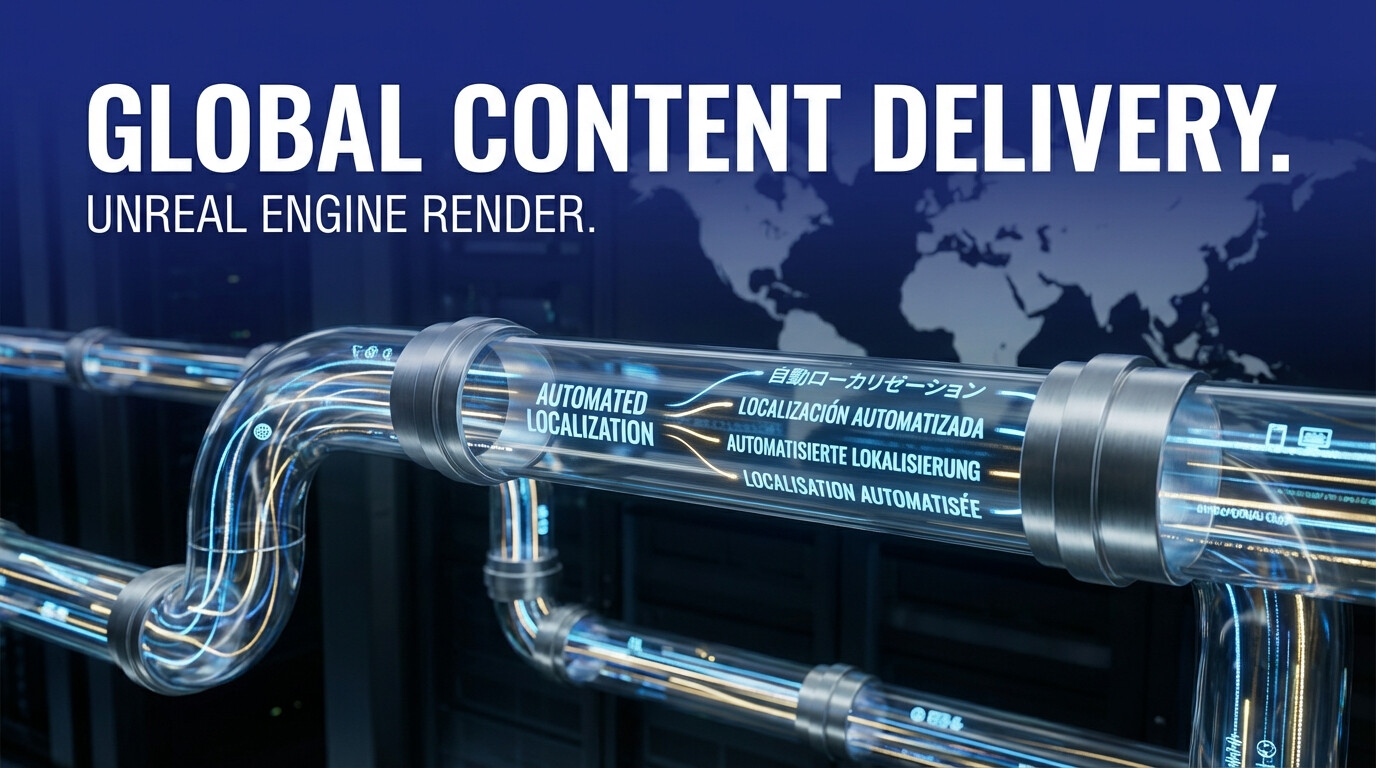
Still translating documentation manually? That’s like running a CI/CD pipeline on a fax machine. In 2025, your deployment velocity means nothing if your docs can’t keep pace across 30+ languages.
The Problem: When Speed Meets the Language Barrier
Here's the brutal math: DevOps teams are deploying 30% more frequently than ever before, yet manual translation workflows still take weeks. The result? A "translation tax" that silently kills global market expansion. English-only documentation acts as a soft blocker, particularly in high-value markets like Japan, where localized content isn't optional - it's the price of entry.
The numbers tell the story. Professional translation services cost between $0.10 to $0.80 per word, and technical documentation can easily run thousands of words per release. Multiply that across sprint cycles, and you're hemorrhaging budget while competitors ship localized content in hours, not weeks.
Even worse: by the time your Japanese docs are ready, your English docs have already changed three times. This asynchronous drift creates support nightmares and erodes trust in markets where precision matters.
The Solution: Docs-as-Code Meets Automated Localization
The answer isn't hiring more translators - it's treating localization like you treat testing: as an automated stage in your pipeline. Modern "Docs-as-Code" architectures (think Markdown in Git repos) combined with AI-powered translation engines turn localization from a bottleneck into a parallel process.
GitLab's recent Japanese site architecture exemplifies this shift. By integrating automated localization directly into their CI/CD pipeline, they've eliminated the traditional handoff between engineering and translation teams. The moment a developer commits a documentation update, the localization workflow triggers automatically - extracting strings, routing them through translation APIs, and generating localized versions in lockstep with the source.
IBM's approach to AI-driven documentation showcases similar principles. Their DevOps automation platforms now support continuous documentation updates using AI tools that synchronize code changes with technical docs in real-time. When combined with services like IBM Watson Language Translator, teams can customize translations with forced glossaries and industry-specific terminology while maintaining data privacy - critical for regulated industries.
The ROI is staggering. Machine Translation Post-Editing (MTPE) reduces costs by 30-50% compared to manual translation, while cutting delivery time in half. Translation Memory systems further reduce costs by up to 90% for repetitive content. And adoption is skyrocketing: MTPE usage nearly doubled from 26% in 2022 to 46% in 2024.
The Evidence: DevOps Goes Global, Automatically
Let's talk hard data. The global DevOps market is projected to reach $16.9 billion by 2033, with a CAGR of 22.6%. Meanwhile, 76% of DevOps teams have integrated AI into their CI/CD workflows as of 2024. This convergence isn't coincidental - it's strategic.
Organizations using automated localization pipelines report:
- 40-60% lower costs for technical content translation versus premium human-only workflows
- 50% faster delivery times through Translation Memory and automation tools
- 20-30% reduction in update costs by reusing previously translated segments
- Zero deployment delays caused by localization lag
IBM's DevOps Automation platform demonstrates this in practice. By managing the entire application lifecycle - from planning to deployment - while integrating AI-driven compliance and localization, teams can scale globally without sacrificing velocity. The platform's hybrid cloud architecture supports multi-region deployment with customizable localization controls, including region-specific data formatting and terminology management.
For legacy systems, IBM's watsonx Code Assistant enables incremental modernization while automating documentation updates, ensuring even mainframe applications can participate in global DevOps workflows. This is particularly valuable for enterprises operating in Japan, where legacy system integration remains critical.
The Takeaway: Automate or Lose Markets
The "translation tax" isn't just a cost problem - it's a competitive disadvantage. In 2025, 83% of IT decision-makers are embracing DevOps to generate business value. Those who automate localization alongside deployment will capture global markets faster, cheaper, and with higher quality than those still treating translation as a manual afterthought.
The infrastructure already exists. YAML-based CI/CD pipelines, containerized workflows, and AI translation APIs are mature, proven technologies. The only question is whether you'll integrate them before your competitors do.
Because in a world where deployment frequency increases 30% year-over-year, the real bottleneck isn't your code - it's whether your customers can read your docs.